

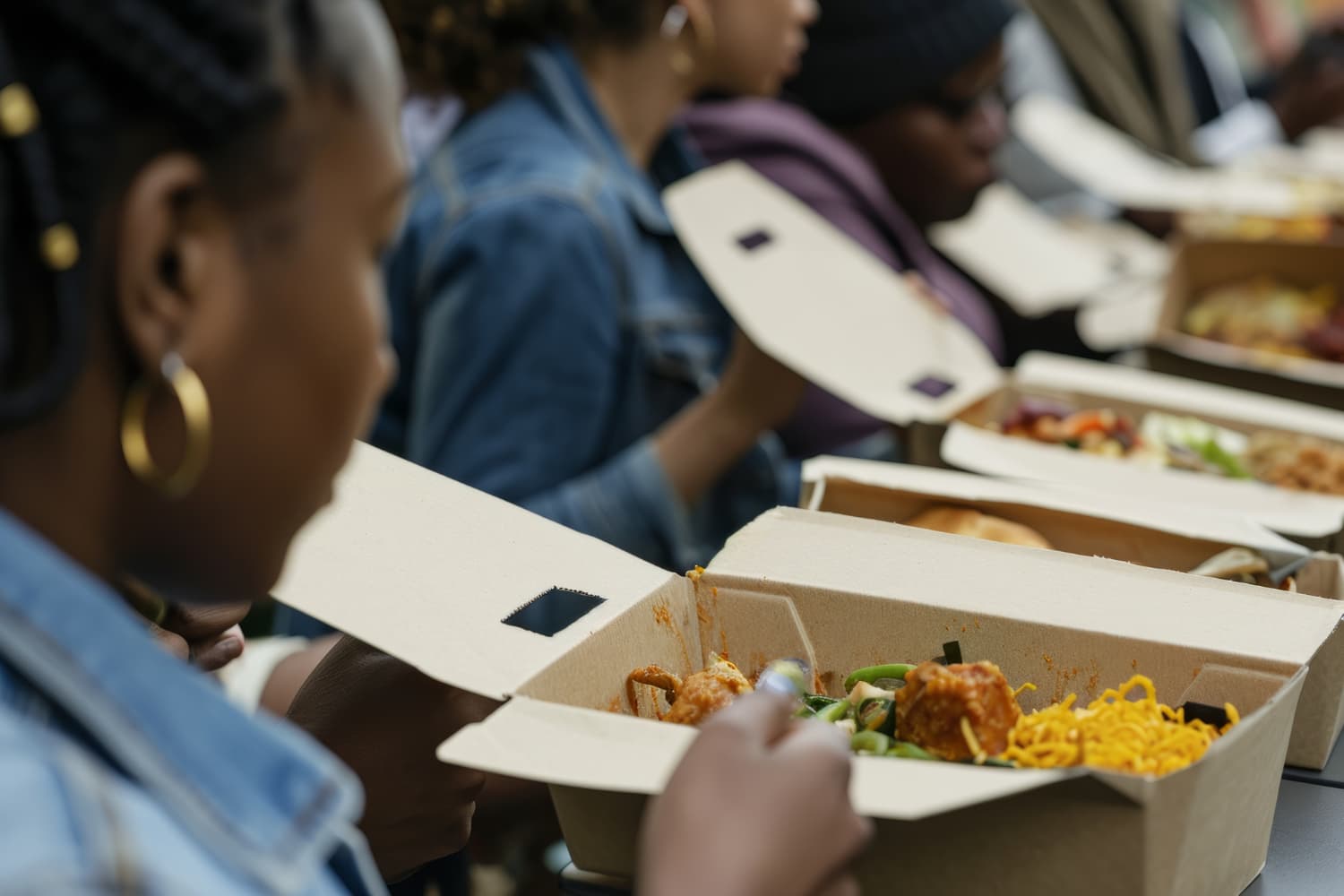
In a world where food prices continue to rise and busy schedules dominate daily life, bulk food sharing has emerged as a practical and community-driven solution.
For students managing tight budgets and families aiming to stretch their resources, sharing bulk food offers a smart way to save money, reduce waste, and build stronger connections.
What Is Bulk Food Sharing?
Bulk food sharing simply means purchasing large quantities of food items and dividing them among a group, whether it’s roommates, classmates, neighbors, or extended family members. Instead of buying small, often overpriced portions, participants pool resources to access better deals and larger quantities.
This approach works especially well for staple foods such as rice, beans, pasta, flour, cooking oil, and frozen items. These products tend to have longer shelf lives, making them ideal for shared purchases.
Why It Makes Sense for Students
Students often live on limited budgets, and food expenses can quickly add up. Bulk sharing helps reduce costs significantly. For example, buying a large bag of rice and splitting it among four people is far cheaper than each person buying smaller packs individually.


Additionally, students benefit from:
- Less frequent shopping trips, saving time and transportation costs
- Better meal planning, which reduces reliance on expensive fast food
- Stronger social bonds, as sharing food often leads to shared cooking and meals
Benefits for Families
Families, especially larger ones, can also gain a lot from bulk food sharing. When multiple households collaborate, they can access wholesale prices typically reserved for businesses.
Your brand here. Reach a focused African audience.
Partner with Anttention Media Africa across high-trust business and tech reporting.
Advertise with usSome key advantages include:
- Lower grocery bills, freeing up money for other needs
- Reduced food waste, since items are divided based on actual needs
- Community support, especially helpful during tough economic periods
For families with children, bulk sharing can also teach valuable lessons about cooperation, budgeting, and resource management.
How to Organize a Bulk Sharing System
Starting a bulk food sharing group doesn’t have to be complicated. With a little planning, it can run smoothly and efficiently.
- Form a group
Gather a small, reliable group of people with similar needs and preferences. - Create a list of essentials
Focus on items everyone uses regularly to avoid unnecessary purchases. - Set a budget
Agree on how much each person will contribute before making purchases. - Assign responsibilities
Rotate tasks like shopping, dividing items, and keeping records to ensure fairness. - Use clear measurements
Divide items accurately using scales or standardized containers to avoid disputes.
Tips for Success
To make bulk food sharing sustainable, consistency and communication are key.
- Start small before expanding to larger purchases
- Keep records of contributions and distributions
- Respect preferences, including dietary restrictions
- Store food properly to maintain quality and safety
Challenges to Watch Out For
While bulk food sharing has many benefits, it’s not without its challenges. Miscommunication, unequal contributions, or poor storage can create tension within the group. However, these issues are usually avoidable with clear agreements and regular check-ins.
A Practical Solution for Modern Living
Bulk food sharing is more than just a cost-saving strategy, it’s a lifestyle choice that encourages cooperation and smarter consumption. For students juggling academics and expenses, and for families trying to make ends meet, it offers a simple yet effective way to manage food resources.
By working together, people can not only save money but also create a sense of community that extends beyond the kitchen.




Comments (0)
No comments yet. Be the first to share your perspective!