

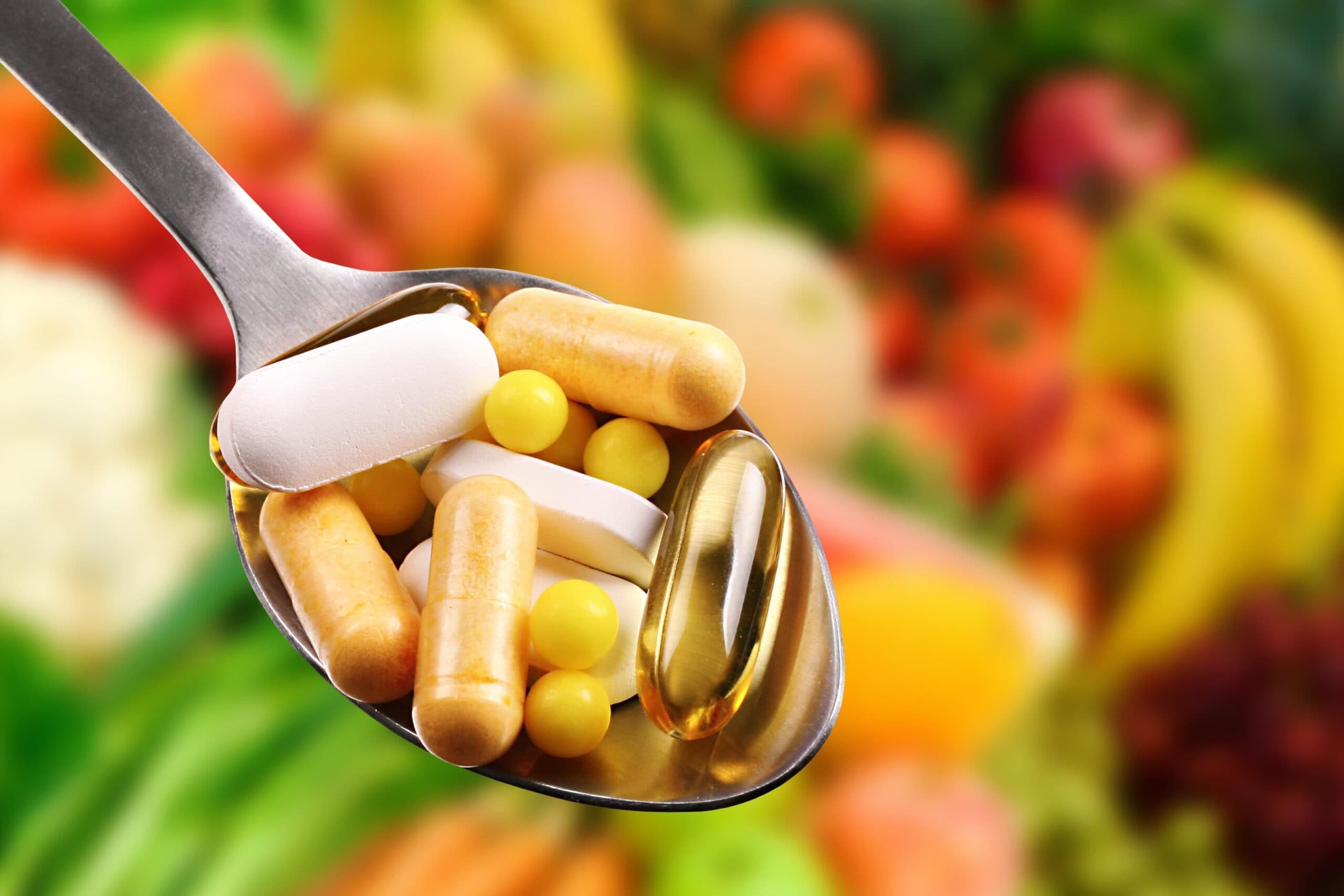
Dietary supplements are everywhere from social media ads promising rapid weight loss to well-meaning advice from friends and family. But do supplements actually improve health, or are most people simply paying for expensive urine?
This article breaks down what supplements genuinely help, which are overhyped, and who should avoid them altogether, using evidence-based reasoning rather than marketing noise.
What Are Dietary Supplements?
Dietary supplements are products designed to add nutrients to your diet. They typically include:
-
Vitamins (A, B-complex, C, D, E, K)
Minerals (iron, calcium, zinc, magnesium)



Herbs and botanicals
Amino acids and enzymes
Your brand here. Reach a focused African audience.
Partner with Anttention Media Africa across high-trust business and tech reporting.
Advertise with usThey are not medicines, and in many countries they are not strictly regulated, meaning quality varies widely.
When Supplements Actually Make Sense
Supplements can be useful in specific situations, including:
1. Nutrient Deficiencies
People with diagnosed deficiencies may benefit greatly from supplements such as:
-
Vitamin D (especially for those with limited sun exposure)
Iron (particularly for women with heavy menstrual cycles)
Vitamin B12 (common in vegans and older adults)
2. Medical Conditions
Certain conditions increase nutritional needs:
-
Pregnancy (folic acid)
Osteoporosis risk (calcium + vitamin D)
Malabsorption disorders
In these cases, supplements support — not replace — medical care.
The Supplements Most People Don’t Need
Many popular supplements offer minimal benefit when diet is already adequate:
-
Multivitamins for healthy adults
Detox teas and cleanses
“Fat burners” and metabolism boosters
These often rely on marketing psychology, not scientific proof.
Hidden Risks of Over-Supplementation
Too much of certain nutrients can be harmful:
-
Excess vitamin A may damage the liver
Too much iron can cause organ toxicity
High-dose supplements may interfere with medications
More is not better.
Whole Foods vs Supplements
Nutrients from food are better absorbed and come with:
-
Fibre
Phytonutrients
Natural balance
Supplements should support, not substitute, real food.
Dietary supplements are tools — not magic pills. If you’re considering them, clarity matters more than trends.






Comments (0)
No comments yet. Be the first to share your perspective!