

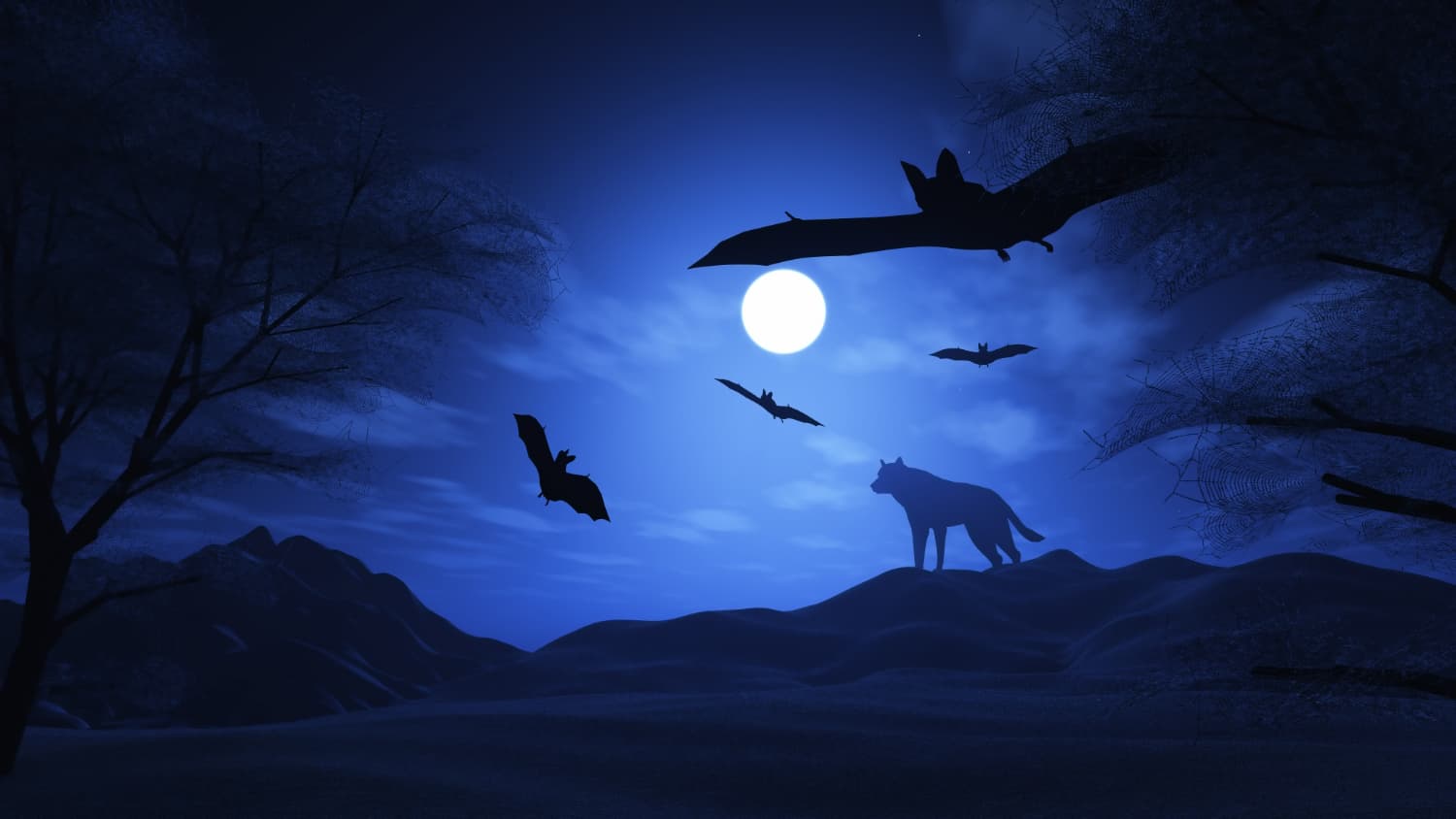
Animals are commonly grouped into two major categories based on when they are most active: nocturnal and diurnal. Understanding these patterns helps us learn more about how animals survive, hunt, rest, and adapt to their environments.
Have you ever wondered why owls are wide awake at night while chickens start their day at sunrise? Or why bats sleep all day but come alive after dark? The answer lies in something scientists call activity patterns — whether an animal is active during the day or at night.
Let’s explore what makes nocturnal and diurnal animals different — and why these differences are so important.
What Are Nocturnal Animals?
Nocturnal animals are animals that are most active during the night and rest during the day.
These animals have special adaptations that help them navigate darkness, find food, and avoid danger when the sun goes down.



Common Examples of Nocturnal Animals
-
Owls
Bats
Your brand here. Reach a focused African audience.
Partner with Anttention Media Africa across high-trust business and tech reporting.
Advertise with usRaccoons
Leopards
Hedgehogs
Some frogs and insects
Key Characteristics of Nocturnal Animals
1. Excellent Night Vision
Many nocturnal animals have large eyes that allow more light to enter, helping them see in low-light conditions.
2. Strong Sense of Hearing
Animals like owls and bats can detect tiny sounds made by prey, even in complete darkness.
3. Heightened Sense of Smell
Some nocturnal animals rely heavily on smell to locate food and recognize others.
4. Camouflage Colors
They often have dark or dull-colored fur or feathers, helping them blend into nighttime environments.
Why Some Animals Are Nocturnal
-
To avoid daytime predators
To hunt prey that is active at night
To escape heat in hot climates
To reduce competition for food
Being active at night gives these animals a survival advantage.
What Are Diurnal Animals?
Diurnal animals are animals that are active during the day and sleep at night.
Humans are diurnal, along with many other species that rely on daylight to move, hunt, and interact.
Common Examples of Diurnal Animals
-
Humans
Dogs
Birds like eagles and sparrows
Squirrels
Butterflies
Elephants
Key Characteristics of Diurnal Animals
1. Good Color Vision
Many diurnal animals can see colors clearly, helping them find ripe fruits, flowers, and mates.
2. Reliance on Sight
Daylight allows these animals to spot predators and prey more easily.
3. Active Social Behavior
Many diurnal animals live in groups and communicate visually and vocally.
Why Some Animals Are Diurnal
-
Easier to find food in daylight
Better visibility for hunting and foraging
Warmer temperatures
Ability to use sunlight for navigation
Nocturnal vs Diurnal: A Quick Comparison
| Feature | Nocturnal Animals | Diurnal Animals |
|---|---|---|
| Active Time | Night | Day |
| Eyes | Large, adapted for low light | Adapted for bright light |
| Vision | Better night vision | Better color vision |
| Examples | Owls, bats, raccoons | Humans, birds, squirrels |
Are There Other Activity Patterns?
Yes! Some animals don’t fit neatly into these two categories:
-
Crepuscular animals – Active during dawn and dusk (e.g., deer, rabbits)
Cathemeral animals – Active at different times throughout day and night (e.g., lions)
Nature is flexible, and animals often adjust their behavior based on food availability and safety.
Why Learning About These Patterns Is Important
Understanding whether an animal is nocturnal or diurnal helps scientists:
-
Protect wildlife habitats
Predict animal behavior
Reduce human-wildlife conflicts
Improve conservation efforts
For everyday people, it also helps us appreciate how diverse and perfectly balanced nature is.
Final Thoughts
Nocturnal and diurnal animals show us that there is no single “right” way to live. Some thrive under the sun, while others rule the night. Each group has developed incredible adaptations that allow them to survive and flourish in their chosen time of activity.
Next time you hear an owl hooting at night or see birds chirping at dawn, remember — you’re witnessing two different lifestyles working together to keep nature in balance.






Comments (0)
No comments yet. Be the first to share your perspective!