

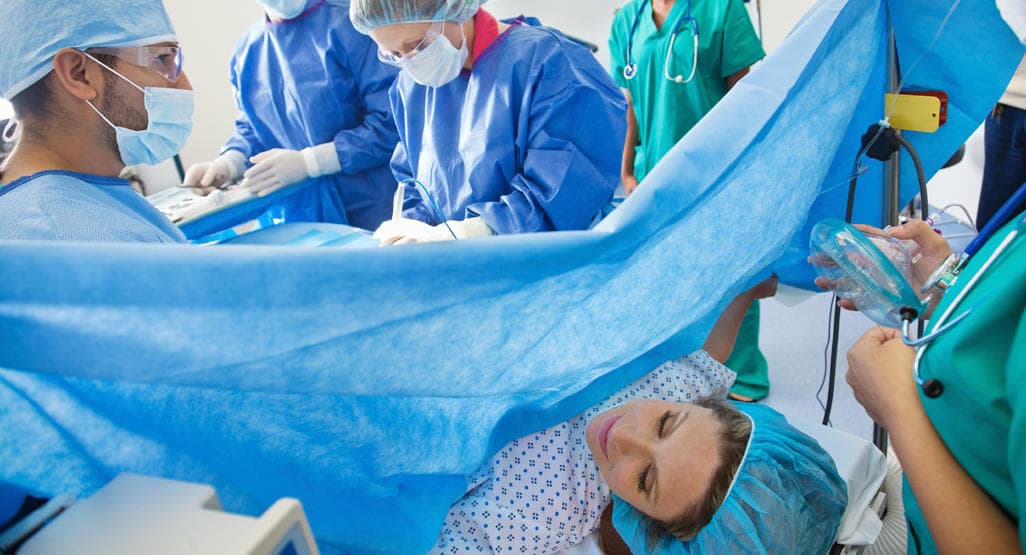
Cesarean section (C-section) delivery, a common surgical procedure that involves delivering a baby through an incision in the mother’s abdomen and uterus, has sparked contentious debates among healthcare professionals, expectant mothers, and society at large.
With C-section rates rising globally, the complex interplay of medical, ethical, and societal factors has contributed to this ongoing controversy. In this post, we will delve into the intricacies of these debates and examine the various perspectives that fuel this contentious issue.
- Medical Necessity vs. Elective C-sections: One of the primary controversies surrounding C-sections is the distinction between medically necessary procedures and elective ones. While some C-sections are performed due to complications during pregnancy or labor, others are chosen by the mother or the healthcare provider for non-medical reasons. Critics argue that the increasing prevalence of elective C-sections is contributing to a culture that prioritizes convenience and doctor’s preferences over the best interests of the mother and child. Proponents, on the other hand, maintain that elective C-sections can offer increased control and predictability, thereby reducing anxiety for some expectant mothers.
- Short-term and Long-term Health Risks: C-sections, like any surgical procedure, carry inherent risks. These include infection, blood loss, and complications related to anesthesia. Moreover, C-sections may also pose long-term health risks for both the mother and child. For instance, research has suggested that children born via C-section are at a higher risk of developing asthma, obesity, and type 1 diabetes. Mothers who undergo multiple C-sections may face an increased risk of placental complications in future pregnancies. This has led some to question whether the benefits of elective C-sections outweigh the potential health risks, igniting further debate.
- Impact on Maternal-Infant Bonding: Another aspect of the C-section debate revolves around the potential impact on maternal-infant bonding. Studies have suggested that immediate skin-to-skin contact after birth can promote bonding, breastfeeding, and better long-term outcomes for both mother and child. However, this is not always feasible in the case of C-sections, as the mother is often separated from her newborn for a period of time. Critics argue that the disruption of the bonding process could have long-lasting negative effects on the mother-child relationship, while others contend that bonding can still occur despite the initial separation.
- Informed Consent and Patient Autonomy: Informed consent and patient autonomy are critical components of the C-section debate. Some argue that expectant mothers may not fully understand the potential risks and benefits of a C-section and may feel pressured into making a decision that isn’t in their best interest. Others believe that women should have the right to choose the mode of delivery that best suits their individual needs and preferences, even if it’s an elective C-section.
- Socioeconomic and Cultural Factors: The rising rates of C-sections have also been linked to various socioeconomic and cultural factors. In some cases, wealthier women may be more likely to opt for elective C-sections due to convenience and a perception of safety. In other instances, healthcare providers may be incentivized to perform C-sections due to financial or legal reasons. Additionally, certain cultural beliefs and expectations may contribute to the preference for C-sections over vaginal deliveries, further complicating the debate.
Conclusion: The controversies associated with Caesarean section delivery are multifaceted, involving medical, ethical, and societal dimensions. As C-section rates continue to rise, it is crucial for healthcare providers, expectant mothers, and policymakers to engage in open and informed discussions about the potential risks and benefits of this surgical procedure.
Ultimately, the goal should be to ensure the health and well-being of both mother and child, while respecting the autonomy and preferences of the expectant mother.

Continued research and education will be vital in shaping our understanding of C-sections and their potential impact on maternal and infant health. By fostering a nuanced and informed dialogue, we can work together to make informed decisions and navigate the complexities of this ongoing debate.






Comments (0)
No comments yet. Be the first to share your perspective!