


Crime is more than just an individual act that breaks the law, it has wide-reaching effects that ripple through families, neighborhoods, and entire communities.
1. Loss of Safety and Trust
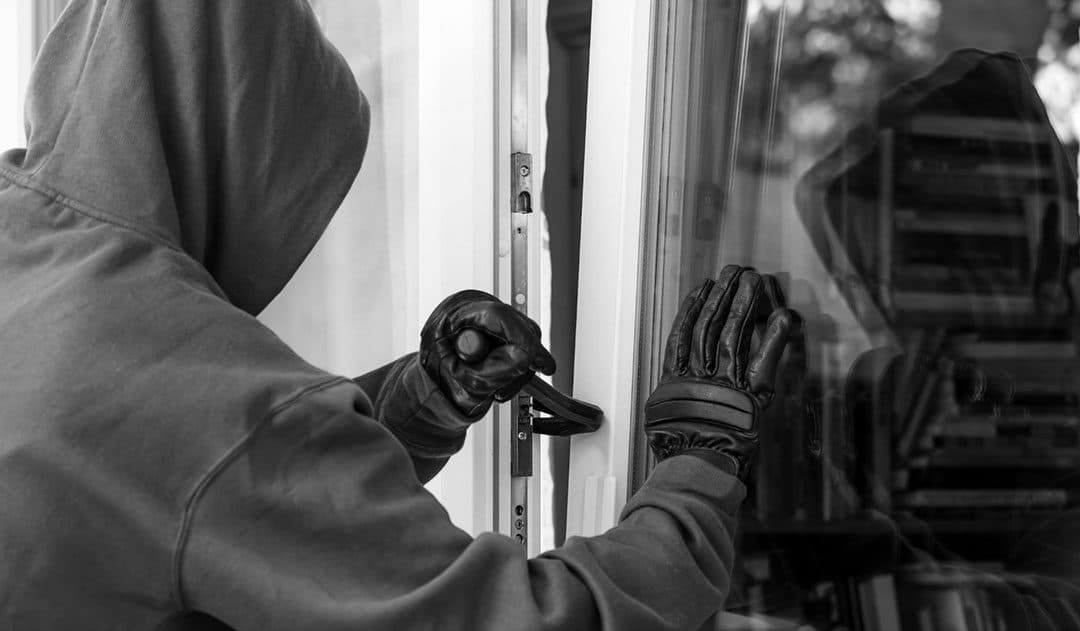
One of the most immediate effects of crime is the breakdown of safety and trust. When crime becomes common in a neighborhood, people begin to feel unsafe in their own environment. Simple activities like walking at night, letting children play outside, or opening a small business become sources of fear.
Over time, neighbors may stop trusting each other, especially if crimes like burglary or scams are frequent. This erosion of trust weakens the sense of community that normally helps people look out for one another.
2. Economic Impact on Communities
Crime also affects local economies in significant ways. Businesses may lose customers if an area is considered unsafe. Some may even shut down or relocate entirely, leading to job losses.
Residents may also face increased costs, such as:

- Paying for private security or surveillance systems
- Higher insurance premiums
- Property value decline
In areas where crime is persistent, investors often avoid putting money into development projects, which slows economic growth and keeps communities underdeveloped.
3. Emotional and Psychological Effects
The emotional toll of crime is often overlooked. Victims and witnesses may experience fear, anxiety, depression, or post-traumatic stress. Even those not directly affected can feel unsafe and constantly worried.
Your brand here. Reach a focused African audience.
Partner with Anttention Media Africa across high-trust business and tech reporting.
Advertise with usChildren growing up in high-crime areas may develop long-term emotional stress, which can affect their education, behavior, and future opportunities. A community living under constant fear struggles to thrive mentally and socially.
4. Strain on Public Services
Crime places heavy pressure on public institutions such as the police, healthcare systems, and the justice system. Law enforcement agencies must spend more time responding to incidents instead of focusing on prevention.
Hospitals and emergency services also become overwhelmed, especially when violent crime rates are high. Courts and correctional facilities may experience overcrowding, slowing down the justice process.
5. Social Division and Stigmatization
Communities affected by crime often face negative labeling from outsiders. This stigma can lead to discrimination against residents when they apply for jobs, education, or housing.
Inside the community, crime can also create division. People may begin to blame certain groups, neighborhoods, or social classes, which increases tension and reduces cooperation.
6. Impact on Youth and Future Generations
One of the most serious long-term effects of crime is its influence on young people. In high-crime environments, youth may be exposed early to violence or illegal activities. Without proper guidance, some may see crime as a normal way of life.
This cycle can continue across generations if not addressed through education, mentorship, and community support programs.
7. Reduced Quality of Life
Ultimately, crime lowers the overall quality of life in a community. Public spaces become less used, social activities decline, and people become more isolated. Instead of thriving neighborhoods filled with interaction and growth, communities become cautious and divided.
Conclusion
Crime does not only affect the individuals involved, it reshapes entire communities. It damages trust, weakens economies, creates emotional distress, and limits opportunities for future generations.
However, communities are not powerless. Through strong social bonds, effective policing, education, job creation, and youth engagement, the cycle of crime can be reduced. When people work together, communities can rebuild safety, confidence, and long-term stability.

Comments (0)
No comments yet. Be the first to share your perspective!