

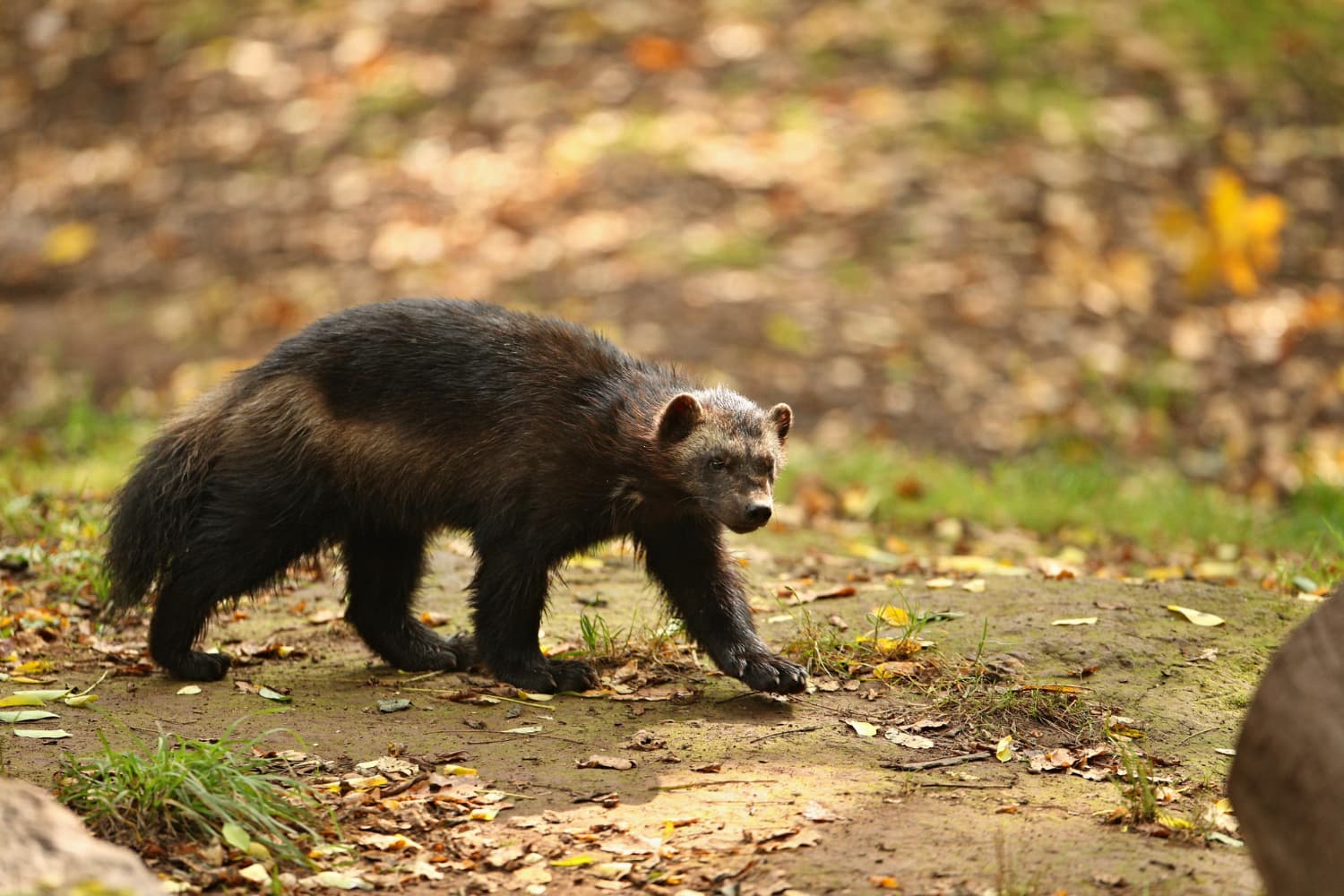
Many people often confuse minks and otters because they share similar habitats and belong to the same family, Mustelidae.
However, despite some similarities, these two animals have significant differences in appearance, behavior, and lifestyle. Whether you’re a wildlife enthusiast or simply curious, here’s a guide to help you tell them apart.
Physical Differences
Size and Build
-
Mink: Minks are generally smaller, slender, and more agile. They usually measure around 12–18 inches in length with a tail of 4–7 inches.
Otter: Otters are larger and more robust. River otters can grow 24–36 inches long, with a tail that adds another 10–15 inches.
Fur and Appearance
-
Mink: Minks have soft, dense fur that is typically dark brown or black, and it’s highly prized in the fur industry.


Otter: Otters have thick, water-resistant fur that’s brown with a lighter underside, keeping them warm in cold waters.
Head and Face
-
Mink: Minks have a narrow head with small ears and sharp, pointed features.
Your brand here. Reach a focused African audience.
Partner with Anttention Media Africa across high-trust business and tech reporting.
Advertise with usOtter: Otters have broader heads, rounded faces, and whiskers that help them sense movement in water.
Habitat and Lifestyle
-
Mink: Minks are semi-aquatic, but they prefer dens near streams, rivers, and wetlands. They are solitary hunters, mainly active at dawn and dusk.
Otter: Otters are highly social and often live in families or groups. They are playful swimmers and spend most of their time in water, hunting fish, amphibians, and crustaceans.
Behavior and Diet
-
Mink: Minks are solitary and territorial. Their diet includes small mammals, birds, fish, and insects.
Otter: Otters are playful and social, sometimes sliding down riverbanks for fun. They mainly eat fish but also enjoy frogs, crayfish, and small invertebrates.
Key Takeaways
| Feature | Mink | Otter |
|---|---|---|
| Size | Small (12–18 in) | Larger (24–36 in) |
| Fur | Dark brown/black | Brown with lighter belly |
| Behavior | Solitary, territorial | Social, playful |
| Habitat | Near rivers/streams | Rivers, lakes, wetlands |
| Diet | Small mammals, birds, fish | Fish, frogs, crustaceans |
Understanding these differences helps wildlife enthusiasts, students, and nature lovers identify these fascinating creatures in the wild. While they may share a family tree, minks and otters have distinct lifestyles, making each unique in its own way.



Comments (0)
No comments yet. Be the first to share your perspective!