

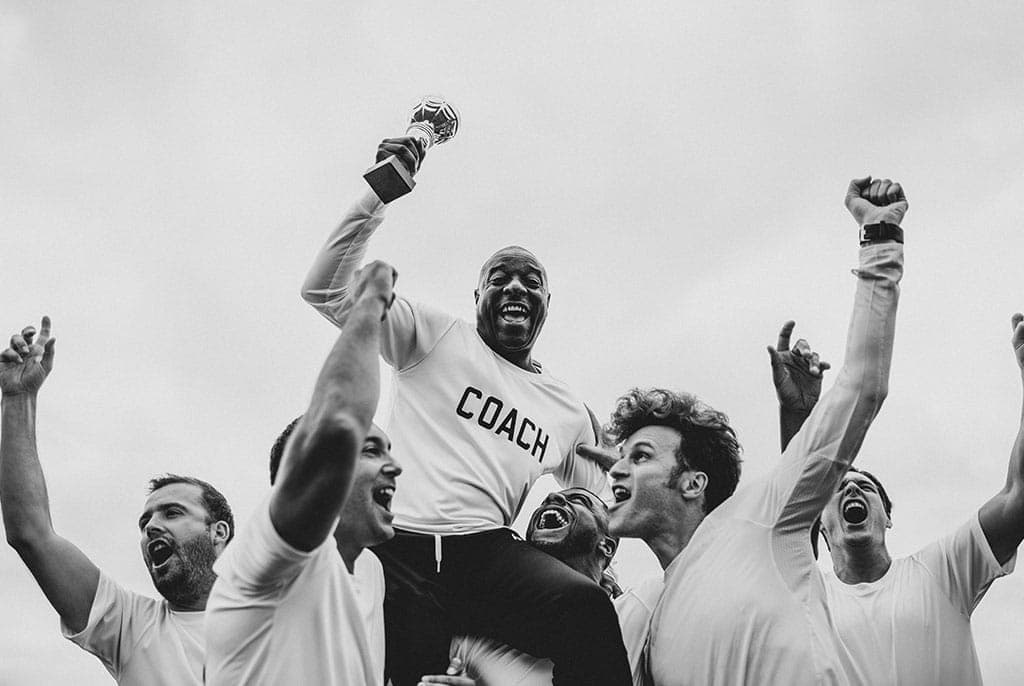
Leadership is often discussed in boardrooms and classrooms; however, some of the clearest and most practical examples come from sports.
On the field, court, or track, leadership is tested under pressure, clearly visible, and measured by results. Athletes do not simply win games through talent alone; instead, they win through discipline, communication, teamwork, and mental strength. As a result, these same qualities translate directly into leadership in business, school, and everyday life.
1. Discipline Beats Talent Alone
One of the strongest lessons from sports is that raw talent is never enough without discipline. In fact, elite athletes train consistently, even when motivation is low or absent.
For example, Cristiano Ronaldo demonstrates how discipline shapes long-term success. He maintains strict training routines, follows structured nutrition plans, and constantly pushes for self-improvement. Consequently, his career highlights a key truth: leadership begins with self-discipline. Therefore, if someone cannot lead themselves, they will struggle to lead others effectively.
2. Teamwork Wins Championships
Even though individual talent can shine, no athlete wins major titles alone. Instead, sports consistently show that teamwork produces stronger and more sustainable success.



For instance, the Golden State Warriors have built their success on coordination, trust, and shared responsibility. As a result, they move the ball effectively and involve multiple players in scoring opportunities. In turn, this approach demonstrates an important leadership principle: effective leaders create systems where everyone contributes meaningfully rather than relying on a single star.
3. Communication Under Pressure Matters
In sports, decisions happen in seconds; therefore, communication must remain clear and immediate. A small misunderstanding can quickly change the outcome of a game.


Because of this, successful captains constantly communicate with teammates, adjust strategies, and reinforce focus. Rather than relying on long explanations, they use short, precise instructions. As a result, teams stay aligned even under intense pressure. In leadership, clarity often matters more than volume.
4. Resilience Defines Great Leaders
Losses and setbacks occur regularly in sports; however, great leaders respond differently to failure compared to average ones.
For example, Serena Williams has repeatedly returned stronger after injuries and defeats. Instead of giving up, she adapts, trains harder, and refocuses on improvement. Therefore, this demonstrates an essential leadership lesson: failure does not end success—it builds it. In fact, resilient leaders often inspire the strongest teams.
5. Leading by Example Is More Powerful Than Words
Strong sports leaders do not rely only on speeches; instead, they show their values through action.
For instance, Lionel Messi consistently demonstrates humility, discipline, and performance on the field. Because of this, teammates naturally follow his example. In leadership, actions therefore carry more influence than instructions. When leaders model the behavior they expect, teams respond more effectively.
6. Emotional Control Is a Leadership Skill
Sports environments often trigger strong emotions; however, effective leaders manage those emotions carefully.
Instead of reacting impulsively, strong leaders pause, assess, and respond strategically. As a result, they stabilize the team and prevent panic from spreading. In high-pressure situations, emotional control often determines whether a team collapses or recovers.
7. Adaptability Creates Long-Term Success
Games change quickly; therefore, strategies must also change quickly to remain effective.
Coaches and captains regularly adjust tactics based on opponents and match conditions. In the same way, effective leaders remain flexible and open to change. As a result, they avoid rigid thinking and respond better to new challenges. Over time, adaptability strengthens long-term success.
Conclusion
Sports clearly demonstrate leadership in real time. Through discipline, teamwork, communication, resilience, emotional control, and adaptability, athletes show what effective leadership looks like in practice. Ultimately, these lessons apply far beyond sports. Whether in business, education, or daily life, strong leaders first master themselves, then support others, and finally adapt to challenges as they arise.





Comments (0)
No comments yet. Be the first to share your perspective!