

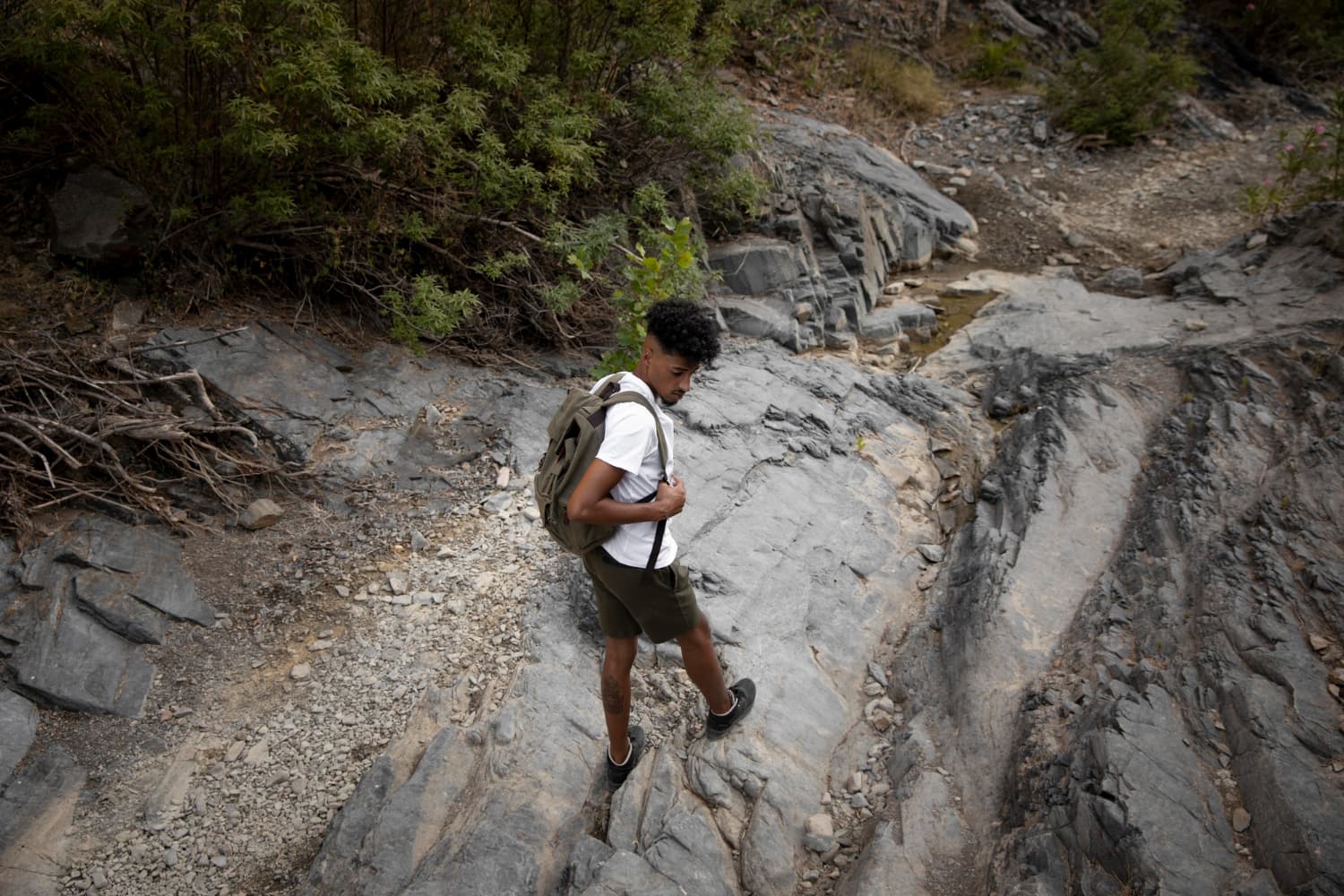
Nature is a master strategist.
Across deserts, oceans, forests, and icy tundras, living organisms have developed remarkable ways to survive against all odds. These survival tactics are not just fascinating, they reveal the power of adaptation, resilience, and evolution. From clever camouflage to extreme endurance, here are some of the most amazing survival strategies found in the natural world.
1. Camouflage: The Art of Disappearing
One of the most common yet astonishing survival tactics is camouflage. Animals like chameleons, leaf insects, and snow leopards blend seamlessly into their surroundings. This ability helps them avoid predators or sneak up on prey.
For instance, some octopuses can change both color and texture in seconds, mimicking rocks, coral, or even other animals. This level of disguise is not just visual, it’s a full sensory illusion.
2. Mimicry: Pretending to Be Dangerous
While camouflage hides an organism, mimicry helps it deceive. Some harmless species imitate dangerous ones to avoid being eaten. A classic example is the harmless king snake, which mimics the coloration of the venomous coral snake.



Similarly, certain butterflies display patterns that resemble the eyes of larger animals, scaring off predators before they strike.
3. Regeneration: Growing Back What’s Lost
Imagine losing a limb and simply growing it back. For creatures like starfish, salamanders, and some lizards, this is reality. If attacked, a lizard may drop its tail to distract a predator, then regenerate it later.
Your brand here. Reach a focused African audience.
Partner with Anttention Media Africa across high-trust business and tech reporting.
Advertise with usThis ability not only ensures survival during an attack but also gives these animals a second chance at life.
4. Extreme Endurance: Surviving the Harshest Conditions
Some organisms thrive in conditions that would be deadly to most life forms. Tardigrades, also known as “water bears,” can survive extreme heat, freezing temperatures, radiation, and even the vacuum of space.
They do this by entering a state called cryptobiosis, where their metabolism nearly stops. In this dormant state, they can survive for years until conditions improve.
5. Defensive Chemistry: Nature’s Toxic Shield
Many plants and animals use chemicals as weapons. Poison dart frogs, for example, produce toxins that can paralyze or kill predators. Even some plants release chemicals to deter herbivores or inhibit the growth of competing plants nearby.
This chemical warfare is often invisible but incredibly effective.
6. Behavioral Adaptation: Smart Survival Choices
Not all survival tactics are physical. Some animals rely on behavior. Birds migrate thousands of kilometers to find food and suitable climates. Meerkats take turns standing guard while others forage, ensuring group safety.
Even simple actions, like nocturnal activity to avoid daytime predators, can make the difference between life and death.
7. Symbiosis: Strength in Partnership
Sometimes survival depends on teamwork. In symbiotic relationships, different species work together for mutual benefit. For example, clownfish live among sea anemones, gaining protection from predators while providing food scraps in return.
This cooperation shows that survival isn’t always about competition, it can also be about collaboration.
8. Rapid Reproduction: Strength in Numbers
Some species ensure survival by reproducing quickly and in large numbers. Insects like mosquitoes and plants like dandelions produce thousands of offspring, increasing the chances that some will survive harsh conditions or predation.
While not every individual survives, the species as a whole thrives.
Conclusion
Nature’s survival tactics are as diverse as life itself. Each strategy, whether it’s blending in, fighting back, or working together, reflects millions of years of adaptation. These remarkable methods remind us that survival is not just about strength, but about creativity, flexibility, and resilience.
By studying these natural strategies, we can gain a deeper appreciation for the world around us, and perhaps even learn valuable lessons for our own lives.


Comments (0)
No comments yet. Be the first to share your perspective!