

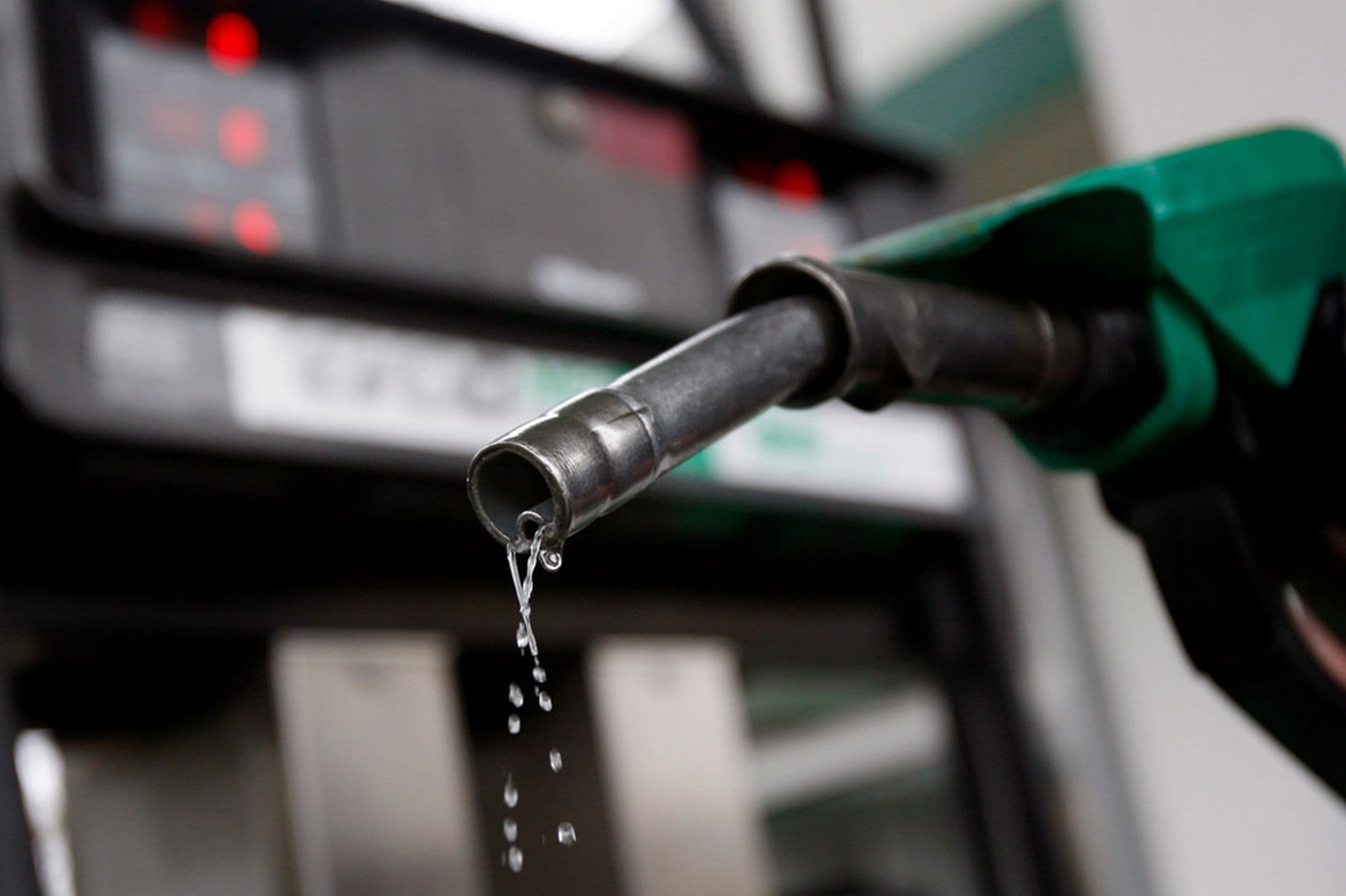
The price of fuel has seen a significant increase of 81% in the past three years, according to a report by the National Bureau of Statistics. This news is further compounded by the revelation that the Federal Government has paid a total of N5.83tn in subsidies on petroleum products.
Data from the NBS indicates that between February 2020 and February 2023, the price of fuel rose from N145.41/litre to N263.76/litre. In February 2023, the average retail price paid by consumers for Premium Motor Spirit was N263.76, showing a 54.76% increase compared to February 2022 (N170.42). Additionally, when compared to the previous month (January 2023), the average retail price increased by 2.58% from N257.12.
At the start of 2020, the average price paid by consumers for petrol increased by 0.08% year-on-year and month-on-month by 0.03% to N145.41 in February 2020 from N145.37 in January 2020. At that time, the Federal Government had paid about N134bn as fuel subsidy payment.
In 2020, states with the highest average price of petrol were Abia (N146.87), Adamawa (N146.67), and Niger (N146.57), while states with the lowest average price of premium motor spirit were Abuja (N143.67), Enugu (N144.50), and Lagos (N144.73).



Over the last three years, fuel subsidy has significantly increased from N134bn in 2020 to N1.43tn in 2021, N4.39tn in 2022, and a projected N3.63tn by June 2023, resulting in a total of N5.83tn in subsidy payments, excluding the figures for 2023.
The Federal Government has repeatedly announced plans to remove fuel subsidy and deregulate the oil market by June 2023. The Minister of Finance, Budget and National Planning, Mrs Zainab Ahmed, stated last week that Nigeria had borrowed $800m from the World Bank for the purpose of providing palliatives for Nigerians in anticipation of fuel subsidy removal.
Your brand here. Reach a focused African audience.
Partner with Anttention Media Africa across high-trust business and tech reporting.
Advertise with usA report by the Nigeria Extractive Industries Initiative in September 2022 disclosed that Nigeria had spent N13.7tn ($74.386bn) on fuel subsidies between 2005 and 2022.
However, there are concerns that the removal of fuel subsidy could have a severe impact on the populace as the countdown to the June 2023 date for subsidy removal approaches.





Comments (0)
No comments yet. Be the first to share your perspective!