

Police Brutality as a Human Rights Crime: Why Accountability Matters for African Societies
On an ordinary evening in a busy African city, a routine police stop can mean safety for some, but fear for others. For many citizens across the continent, law enforcement represents protection and order. Yet when excessive force, unlawful detention, or abuse occurs, policing shifts from public service to a violation of fundamental human rights.
Police brutality is not simply misconduct. When it violates dignity, safety, and legal protections, it becomes a human rights issue; one that affects trust, justice, and democracy across African societies. Understanding this issue clearly is the first step toward building safer communities for both citizens and law enforcement officers.
What Is Police Brutality?
Police brutality refers to the use of excessive, unnecessary, or unlawful force by law enforcement officers against civilians.
It may include:



-
Physical violence beyond what is legally justified
Torture or cruel treatment during arrest or detention
Your brand here. Reach a focused African audience.
Partner with Anttention Media Africa across high-trust business and tech reporting.
Advertise with usUnlawful shootings
Arbitrary arrests or prolonged detention without due process
Harassment, intimidation, or abuse of authority
International human rights standards state that police force must always be lawful, necessary, proportionate, and accountable.
When these standards are ignored, human rights violations occur.
Why Police Brutality Is a Human Rights Crime
Human rights are protections every person possesses simply by being human, including the right to life, dignity, and fair treatment under the law.
Police brutality violates several core rights:
-
The right to life
Freedom from torture and degrading treatment
The right to liberty and security
Equal protection under the law
Because police officers are granted legal authority by the state, abuse of that authority carries deeper consequences. It represents not only individual wrongdoing but institutional failure.
Experiences Across African Contexts
Across Africa, conversations about policing have intensified in recent years as citizens demand accountability and reform.
Nigeria: Public Protests and Accountability Debates
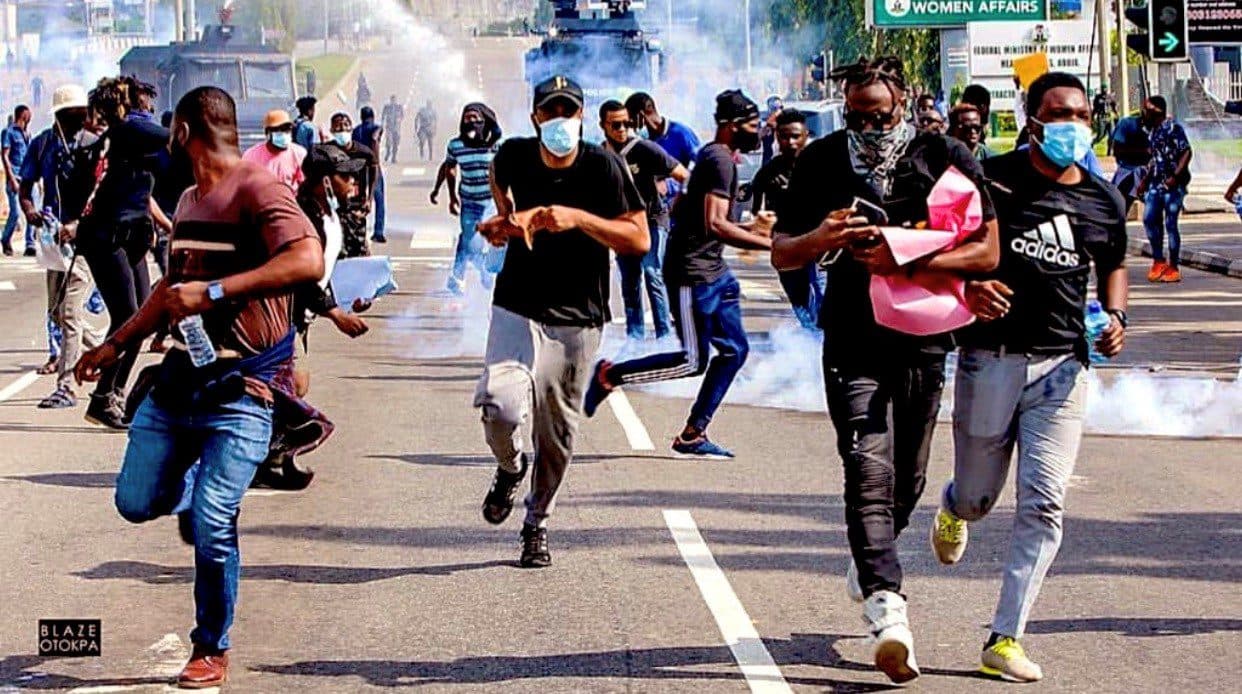
In cities like Lagos and Abuja, widespread youth-led protests drew attention to allegations of excessive force and unlawful policing practices. These events sparked national discussions about police reform, accountability, and citizen rights.
Kenya: Policing During Public Demonstrations
Human rights organizations have documented concerns about excessive force during protests in Nairobi and other urban areas, highlighting the tension between maintaining public order and protecting civil liberties.
South Africa: Community; Police Trust Challenges
In parts of Johannesburg and Cape Town, reports of aggressive policing in high-crime communities have fueled debates about balancing crime prevention with respect for human rights.
Uganda and Ghana: Arrest and Detention Concerns
Civil society groups have raised concerns in Kampala and Accra about unlawful detention and the need for stronger oversight mechanisms within law enforcement agencies. These examples show that the issue is not confined to one country, it reflects broader challenges facing rapidly urbanizing societies dealing with crime, inequality, and institutional pressure.
Why Police Brutality Happens
Understanding causes does not excuse abuse, but it helps identify solutions.
Common contributing factors include:
1. High-Pressure Policing Environments
Officers often work under intense stress, facing violent crime, limited resources, and long working hours.
2. Inadequate Training
Limited training in de-escalation, human rights law, and conflict resolution can lead to excessive force.
3. Weak Accountability Systems
When misconduct investigations are slow or ineffective, impunity may develop.
4. Poor Working Conditions
Low salaries, insufficient equipment, and lack of psychological support can affect professional conduct.
5. Historical Policing Models
Some policing systems inherited authoritarian structures that emphasized control rather than community partnership.
The Impact on Communities
Police brutality affects society far beyond individual incidents.
Loss of Public Trust
Citizens become reluctant to report crimes or cooperate with investigations.
Increased Insecurity
When communities distrust police, criminals may operate more freely.
Youth Alienation
Young people may view law enforcement as adversaries rather than protectors.
Psychological Trauma
Victims and witnesses often experience long-term fear and emotional distress. Ultimately, brutality weakens the very goal policing is meant to achieve: public safety.
The Human Rights Approach to Policing
Human rights–based policing does not weaken law enforcement; it strengthens legitimacy.
Key principles include:
-
Respect for human dignity
Proportional use of force
Transparency in operations
Accountability mechanisms
Community engagement
Countries that adopt these principles often see improved cooperation between citizens and police, leading to more effective crime prevention.
Signs of Reform and Progress Across Africa
Many African nations are working toward improvement through:
-
Police reform panels and independent oversight bodies
Body-camera pilot programs
Human rights training initiatives
Community policing programs
Legal reforms strengthening civilian protections
Civil society organizations, journalists, and youth groups also play a critical role in promoting accountability through awareness and advocacy.
The Role of Citizens and Communities
Reducing police brutality requires collective participation:
-
Know and understand legal rights during arrests
Report abuses through official and independent channels
Support peaceful civic engagement
Encourage dialogue between communities and police
Reject violence against officers while demanding accountability
Constructive engagement helps build reform without deepening division.
Supporting Police While Demanding Accountability
An important truth often overlooked is that most officers enter policing to serve their communities. Reform is not anti-police, it is pro-professionalism. Better training, fair working conditions, and clear accountability protect both citizens and officers by creating safer interactions. Accountability strengthens institutions rather than weakening them.
Conclusion: Justice and Safety Must Coexist
Police brutality as a human rights crime challenges societies to rethink how power and protection coexist. Safety cannot come at the cost of dignity, and authority must always operate within the law. Across Africa, citizens increasingly call for policing systems rooted in trust, transparency, and respect. The goal is not conflict between communities and law enforcement but partnership.
When human rights guide policing, security becomes sustainable, and justice becomes real for everyone





Comments (0)
No comments yet. Be the first to share your perspective!