

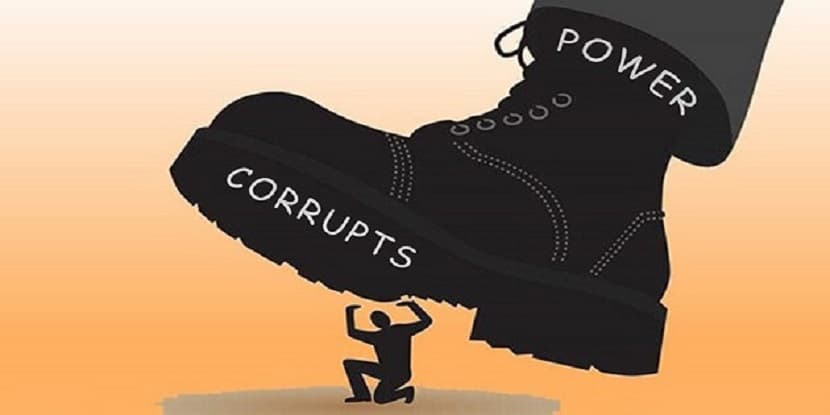
Political power structures determine how authority flows, who makes decisions, and how society organizes itself.
Whether in democracies, monarchies, or authoritarian regimes, these structures shape governance and citizens’ participation. Understanding them equips people to engage more effectively in political life.
What Are Political Power Structures?
Political power structures organize how power operates in a society. They define relationships among institutions, leaders, and citizens. While formal structures include constitutions and legal frameworks, informal structures involve cultural norms, elite influence, and social networks. Power itself represents the ability to influence decisions, control resources, and shape outcomes.
Key Components of Political Power Structures
-
Institutions
Institutions form the backbone of any political system. The executive (president or prime minister), legislature (parliament or congress), and judiciary (courts) interact to maintain order and enforce laws.
Leadership and Elites
Leaders and elites hold significant influence. In some systems, a small group, such as military leaders, wealthy individuals, or ruling party officials—dominates power. In others, power spreads more widely across society.
Legal Frameworks
Constitutions and laws define how leaders gain, exercise, and limit power. For instance, term limits, elections, and checks and balances prevent authority from concentrating in one person or group.
Political Parties and Interest Groups
Political parties organize citizens around shared ideologies and compete for governmental control. Meanwhile, interest groups influence policies by advocating for sectors such as business, labor, or civil society.
When your relationship needs more than advice
Confidential, guided counseling sessions for couples and individuals.
Book a sessionCitizens and Civil Society
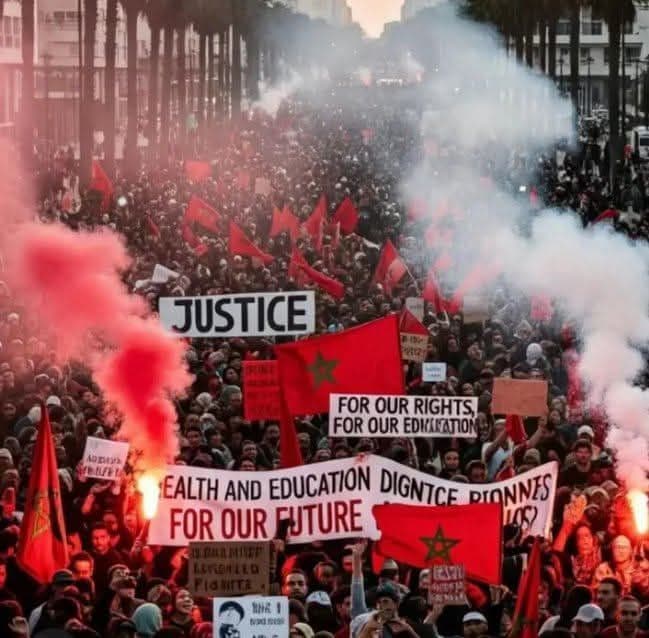
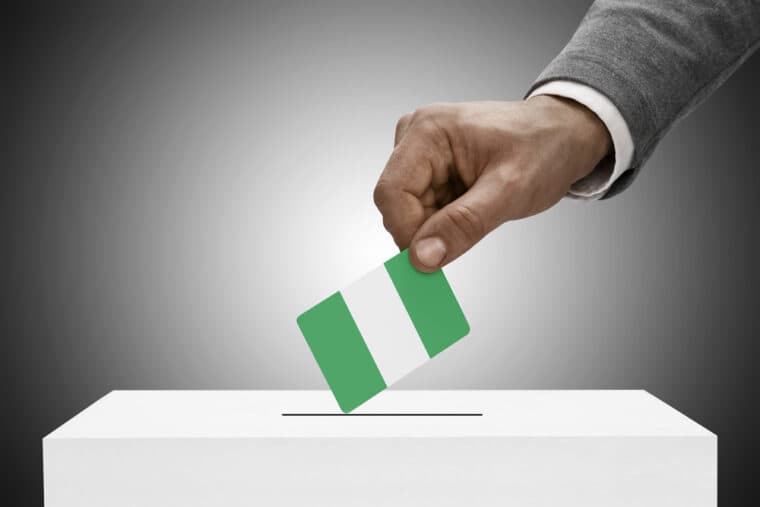
Citizens participate directly or indirectly through voting, activism, and public discussion. Civil society organizations advocate for transparency and accountability, bridging the gap between people and government.
Types of Political Power Structures
-
Democratic Systems
In democracies, people hold power. Citizens elect leaders through competitive elections. Moreover, multiple institutions share authority to ensure accountability.
Authoritarian Systems
Authoritarian regimes centralize power in one leader or a small group. These systems limit public participation and often restrict dissent. As a result, decisions happen quickly but inclusivity suffers.
Monarchical Systems
Monarchies grant authority to royal families. Absolute monarchs wield full control, whereas constitutional monarchs retain largely symbolic roles.
Hybrid Systems
Some countries combine democratic and authoritarian features. For example, they hold elections but still concentrate power in certain ways.
How Leaders Maintain Power
Leaders maintain power by combining legitimacy, resources, communication, and networks:
-
Legitimacy: They earn public trust by governing fairly and performing effectively.
Control of Resources: Leaders manage economic and military assets to reinforce authority.
Information and Communication: They shape public perception using media and messaging.
Alliances and Networks: Leaders build relationships with key domestic and international stakeholders.
Challenges Within Power Structures
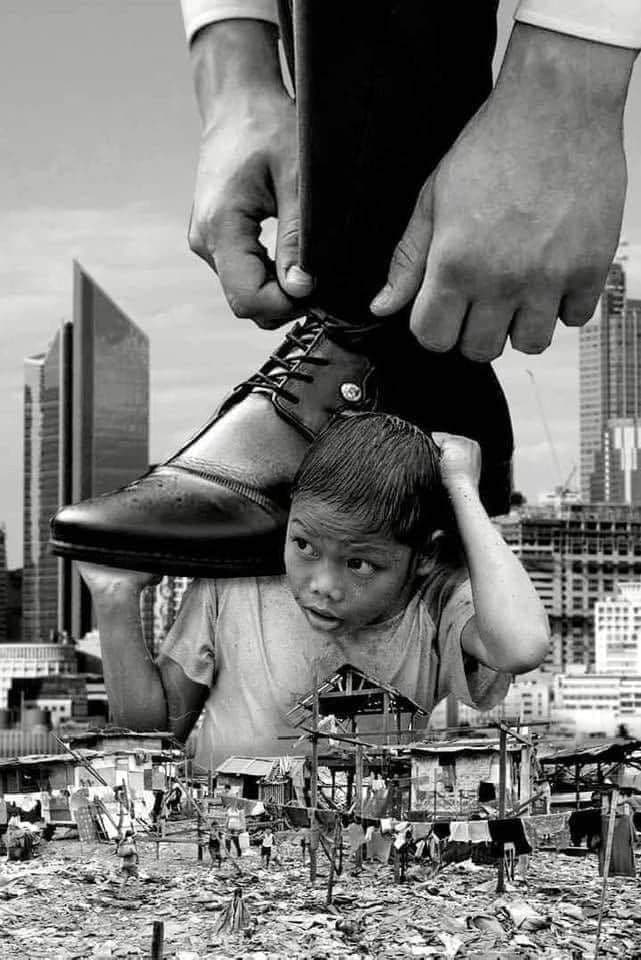
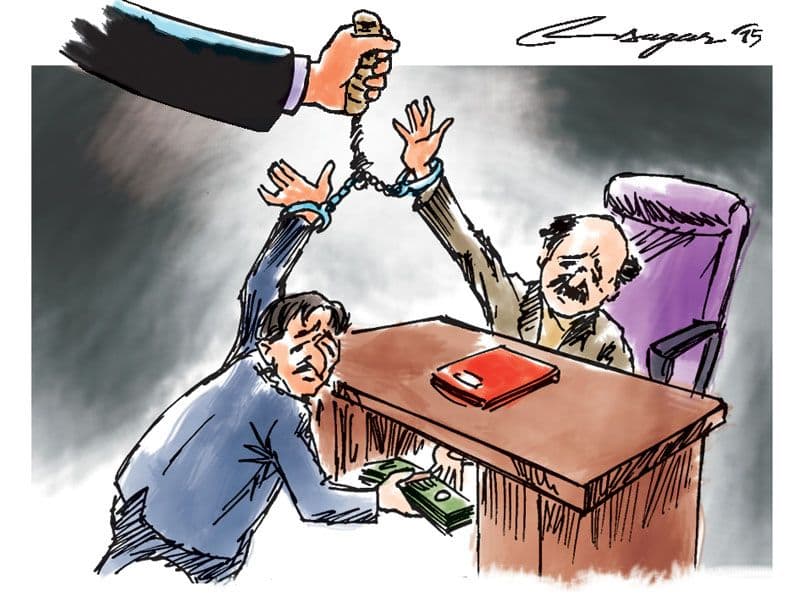
Power structures face challenges such as corruption, inequality, and lack of accountability. When leaders concentrate power excessively, they risk marginalizing groups and provoking social unrest. Conversely, fragmented systems often struggle with inefficiency and conflict. Therefore, balancing authority remains a critical task for governments.
Why Understanding Power Structures Matters
Citizens who understand political power structures can make informed decisions, hold leaders accountable, and participate effectively. Furthermore, businesses, activists, and individuals gain insight into policy decisions and leadership strategies. Ultimately, knowledge of power dynamics empowers people to influence change.
Conclusion
Political power structures shape societies, determine leadership, and influence who participates in governance. By understanding these systems, individuals can navigate, question, and actively contribute to the political environment in which they live.


Comments (0)
No comments yet. Be the first to share your perspective!