

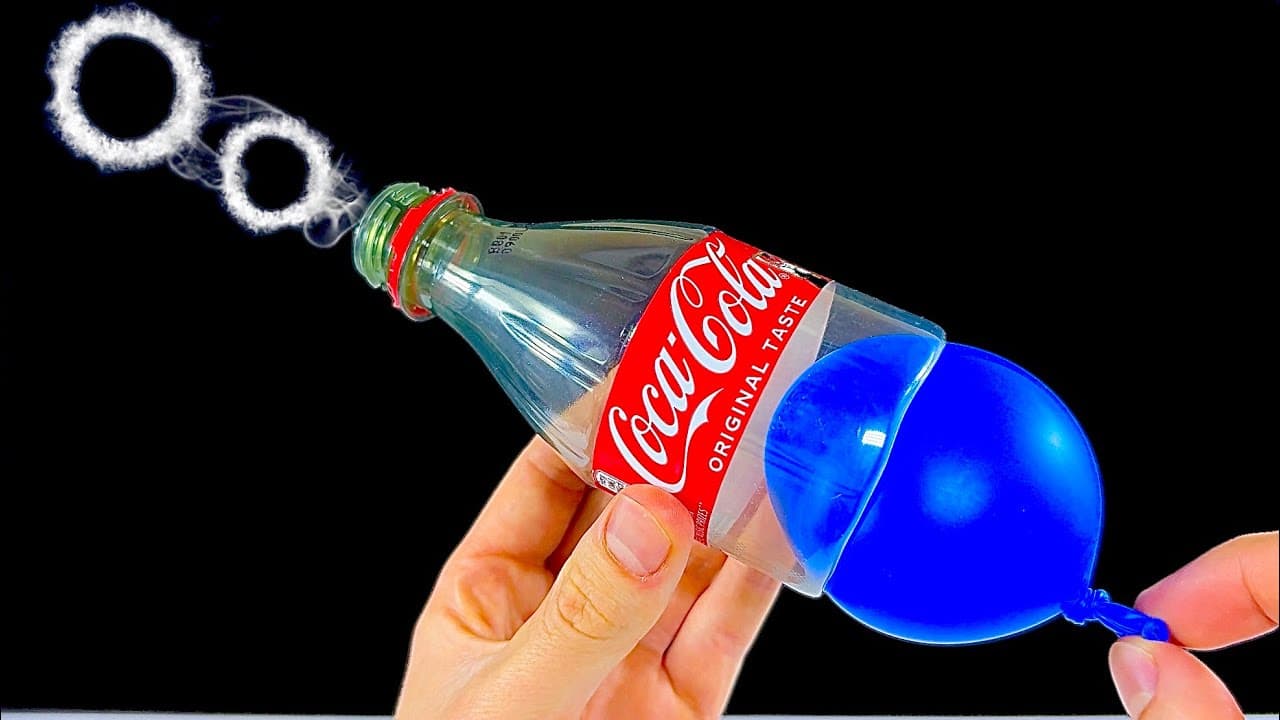
Science is not just something you read in textbooks or see in laboratories, it is something you can experience right in your home using everyday items.
These simple experiments help you understand how the world works while making learning fun, hands-on, and exciting. Whether you are a student, a parent teaching your child, or simply curious, these experiments will spark your interest in science.
1. Volcano Eruption (Baking Soda and Vinegar Reaction)
What you need:
- Baking soda
- Vinegar
- A cup or small bottle
- Food coloring (optional)
- Dish soap (optional)
What happens:
When baking soda mixes with vinegar, a chemical reaction produces carbon dioxide gas, causing bubbles that look like a volcanic eruption.
How to do it:


- Place baking soda in a small container.
- Add a few drops of food coloring and dish soap.
- Pour vinegar into the container and watch it erupt!
Science behind it:
This is an acid-base reaction that produces gas, creating foam and bubbles.
2. Floating Egg Experiment
What you need:
Your brand here. Reach a focused African audience.
Partner with Anttention Media Africa across high-trust business and tech reporting.
Advertise with us- Two glasses of water
- Salt
- An egg
What happens:
An egg sinks in plain water but floats in saltwater.
How to do it:
- Fill one glass with clean water and place the egg inside—it sinks.
- Add several tablespoons of salt to another glass of water and stir.
- Place the egg in the saltwater, it floats.
Science behind it:
Salt increases the water’s density, making it easier for the egg to float.
3. Rainbow in a Glass (Density Experiment)
What you need:
- Sugar
- Water
- Food coloring
- Several clear glasses
What happens:
Different sugar concentrations create layers of colored water that do not mix immediately.
How to do it:
- Mix different amounts of sugar in separate glasses of water.
- Add different food colors to each.
- Slowly layer them in a glass using a spoon.
Science behind it:
Liquids with different densities stay separated, forming a rainbow effect.
4. Dancing Raisins Experiment
What you need:
- Clear soda (like sprite or soda water)
- Raisins
- A glass
What happens:
Raisins move up and down in the glass like they are dancing.
How to do it:
- Pour soda into a glass.
- Drop in a few raisins.
- Watch them rise and fall.
Science behind it:
Carbon dioxide bubbles attach to raisins, lifting them up. When the bubbles burst, they sink again.
5. Invisible Ink Experiment
What you need:
- Lemon juice
- Cotton bud or brush
- Paper
- Heat source (like a candle or iron, adult supervision required)
What happens:
Writing becomes invisible when dry and reappears when heated.
How to do it:
- Dip a cotton bud in lemon juice and write on paper.
- Let it dry completely.
- Gently heat the paper to reveal the message.
Science behind it:
Heat oxidizes the lemon juice, making it visible.
6. Pepper and Soap Experiment
What you need:
- Water
- Black pepper
- Dish soap
- A bowl
What happens:
Pepper moves away when soap touches the water.
How to do it:
- Fill a bowl with water and sprinkle pepper on top.
- Dip a finger with soap into the water.
- Watch the pepper scatter.
Science behind it:
Soap breaks surface tension, pushing the pepper away.
Why These Experiments Matter
These simple home experiments teach important scientific principles such as:
- Chemical reactions
- Density and buoyancy
- Surface tension
- Gas formation
They also improve curiosity, problem-solving skills, and creativity, key skills for success in school and everyday life.
Final Thoughts
You don’t need a laboratory to explore science. With everyday household materials, you can turn your home into a mini science lab. Try these experiments, observe carefully, and most importantly, have fun learning!





Comments (0)
No comments yet. Be the first to share your perspective!