

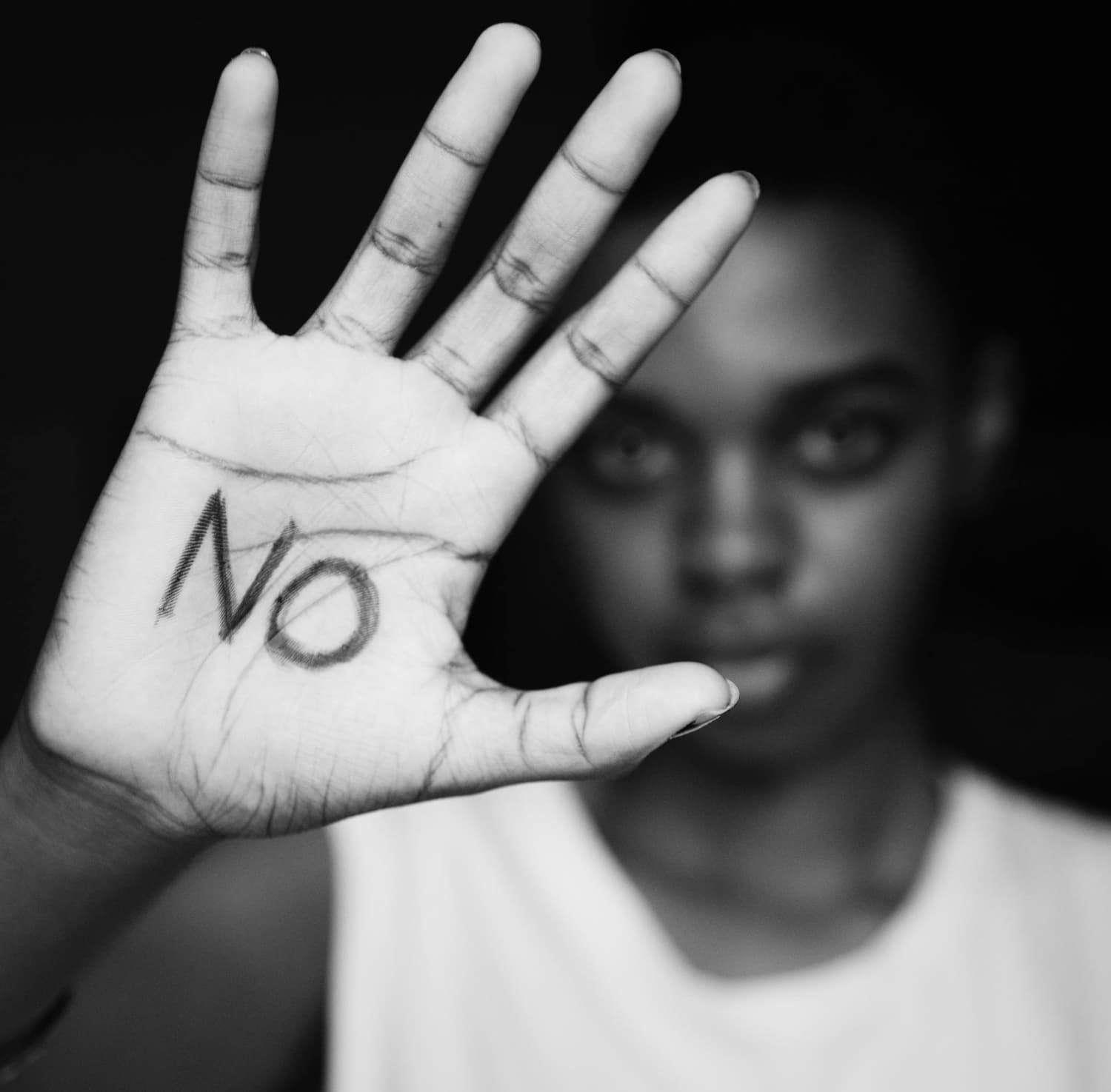
Introduction: A Hidden Crisis Affecting African Communities
Sexual exploitation and human trafficking are not distant problems affecting only other continents. They are present in African cities and rural communities alike, from Benin City in Nigeria to Kisumu in Kenya, from Kumasi in Ghana to Cape Town in South Africa.
While trafficking often operates in secrecy, its impact is visible: broken families, traumatized survivors, missing children, and communities struggling with stigma and silence.
To address this crisis, we must first understand it clearly.
What Is Sexual Exploitation and Human Trafficking?
Human trafficking refers to the recruitment, transportation, or harboring of individuals through force, fraud, or coercion for the purpose of exploitation.

Sexual exploitation is one of the most common forms. It involves forcing or manipulating individuals, often women and children, into sexual activities for profit or control.
Important facts:
Your brand here. Reach a focused African audience.
Partner with Anttention Media Africa across high-trust business and tech reporting.
Advertise with us-
Trafficking does not always involve crossing borders.
Victims are often recruited by someone they know.
Poverty, unemployment, and instability increase vulnerability.
Social media and online platforms are increasingly used for recruitment.
Country-Specific Realities Across Africa
Nigeria: Benin City and International Trafficking Routes
Nigeria has been identified as both a source and transit country for human trafficking. Benin City in Edo State has historically been linked to trafficking networks that lure young women with promises of jobs in Europe.
Some are told they will work as caregivers or in salons abroad, only to be trapped in exploitative conditions. The Nigerian government, through NAPTIP (National Agency for the Prohibition of Trafficking in Persons), continues to combat trafficking networks and rehabilitate survivors.
Internal trafficking is also common, with children moved from rural northern communities to cities like Lagos for domestic work under exploitative conditions.
Ghana: Child Trafficking in Fishing Communities
In parts of Lake Volta, child trafficking remains a serious concern. Some children are forced into dangerous fishing labor after being taken from poor families under false promises of education or apprenticeship.
Organizations in Accra and Kumasi are working to rescue and rehabilitate affected children, providing education and counseling services.
Kenya: Migration and Online Recruitment
Kenya faces both internal and international trafficking challenges. In Nairobi and Mombasa, young women are sometimes recruited through social media for supposed modeling or hospitality jobs in the Middle East.
In western Kenya, cases of children being moved from rural counties to urban areas for domestic labor have been reported.
The Kenyan government has strengthened border monitoring and public awareness campaigns, but economic pressures still make youth vulnerable.
South Africa: A Transit and Destination Country
South Africa, particularly Johannesburg, Durban, and Cape Town, is considered both a destination and transit country for trafficking in Africa.
Its relatively stronger economy attracts migrants from neighboring countries such as Zimbabwe, Mozambique, and Lesotho. Some migrants fall victim to labor exploitation or sex trafficking due to irregular documentation and fear of deportation.
Uganda and Ethiopia: Labor and Migration Vulnerabilities
Authorities in Kampala and other parts of Uganda have sometimes accused recruitment agencies of sending young women abroad under false employment promises.
Unregulated recruitment agencies often exploit Ethiopian women who migrate to the Middle East for domestic work.
Why Trafficking Thrives in Africa
Several structural factors contribute to sexual exploitation and trafficking:
1. Poverty and Youth Unemployment
High unemployment rates in cities like Lagos, Nairobi, and Accra make overseas job offers appealing.
2. Irregular Migration
Young Africans seeking better opportunities may use unsafe migration routes, exposing themselves to trafficking networks.
3. Conflict and Displacement
Regions affected by conflict, such as parts of the Sahel or internally displaced communities in northern Nigeria, create conditions where vulnerable populations are easier targets.
4. Digital Vulnerability
Traffickers increasingly use:
-
Instagram and Facebook
Fake recruitment websites
Romantic deception (“lover boy” tactics)
Warning Signs of Sexual Exploitation
Communities should look out for:
-
Individuals unable to control their own documents
Signs of physical abuse or fear
Restricted movement or isolation
Someone speaking on behalf of another person
Young girls suddenly traveling abroad under unclear arrangements
Awareness saves lives.
The Psychological and Social Impact
Survivors of sexual exploitation often experience:
-
Post-traumatic stress disorder (PTSD)
Depression and anxiety
Shame and community stigma
Educational disruption
Economic hardship
Unfortunately, stigma in some African societies discourages survivors from speaking out. Cultural attitudes must shift from blame to compassion.
Anti-Trafficking Efforts Across Africa
Several governments and organizations are responding:
-
Nigeria’s NAPTIP
Ghana’s Human Trafficking Secretariat
Kenya’s Counter-Trafficking in Persons Secretariat
South Africa’s anti-trafficking legislation under the Prevention and Combating of Trafficking in Persons Act
NGOs across Lagos, Nairobi, Accra, Johannesburg, and Kampala provide:
-
Safe shelters
Legal support
Trauma counseling
Vocational training
Reintegration assistance
However, enforcement gaps, corruption, and limited funding remain challenges.
What African Communities Can Do
Ending sexual exploitation in Africa requires collective responsibility.
1. Promote Awareness
Schools, churches, mosques, and youth groups must openly discuss trafficking risks.
2. Verify Job Offers
Encourage youth to confirm employment offers through official government channels.
3. Support Survivors
Offer reintegration support rather than stigma.
4. Encourage Economic Empowerment
Entrepreneurship programs, vocational training, and access to microfinance reduce vulnerability.
5. Strengthen Family Communication
Open conversations about migration risks protect young people from deception.
Conclusion: Breaking the Silence in Africa
Sexual exploitation and human trafficking in Africa thrive in silence, poverty, and misinformation. But awareness, economic empowerment, and community vigilance can disrupt these networks.
From Benin City to Nairobi, Lake Volta to Johannesburg, African communities are not powerless. Governments, NGOs, families, and youth must work together to protect the vulnerable.
Trafficking is not inevitable. It is preventable.
And prevention begins with informed communities willing to speak, act, and protect their own.




Comments (0)
No comments yet. Be the first to share your perspective!