


As night falls in a bustling African metropolis, the city’s energy shifts. Markets close, traffic thins, and neighborhoods retreat into themselves. On certain streets, small groups of young men gather on corners, watching, waiting, claiming space.
To outsiders, they are just “gangs.” To the city, they are a growing security concern. But to themselves, they are something else entirely: family, protection, and identity.
Across major African cities, from Lagos and Johannesburg to Nairobi and Cape Town, street gangs have become increasingly visible. Their presence is often explained in simple terms: crime, violence, and disorder. Yet the rise of street gangs is rooted in deeper social, economic, and psychological forces shaping life in modern African metropolises.
Understanding these forces is essential if cities are to respond effectively.
Urbanization and the Pressure of Rapid Growth
African cities are among the fastest-growing in the world. Every year, millions migrate from rural areas in search of opportunity, education, and better living conditions. But cities are struggling to keep up.
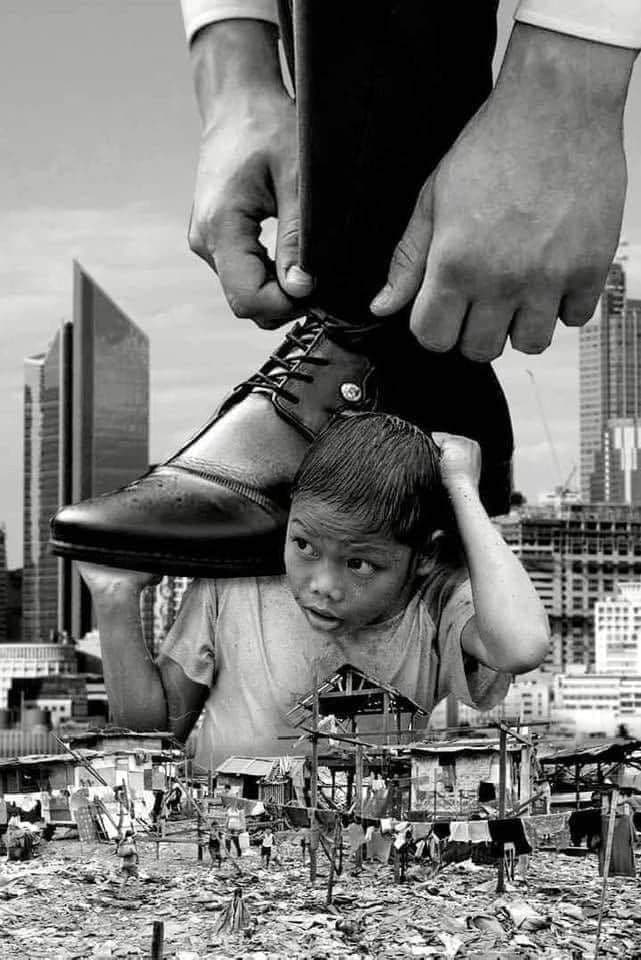
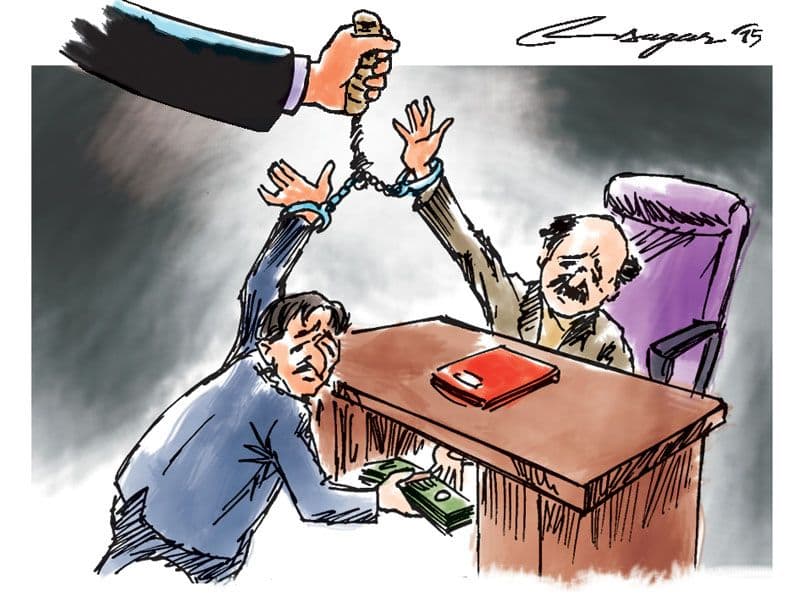

Rapid urbanization has produced:
-
Overcrowded informal settlements
Your brand here. Reach a focused African audience.
Partner with Anttention Media Africa across high-trust business and tech reporting.
Advertise with usYouth-dominated populations
Inadequate housing and infrastructure
Limited access to jobs and education
In many urban neighborhoods, young people grow up surrounded by ambition but blocked by reality. The promise of the city contrasts sharply with daily experiences of exclusion.
In this gap, street gangs emerge. They fill spaces where formal institutions fail.
Gangs as Alternative Social Structures
Street gangs do not form randomly. They arise where traditional support systems are weakened.
In many African metropolises, families are strained by:
-
Economic hardship
Long working hours
Migration and displacement
Conflict or instability
Schools are overcrowded. Youth programs are scarce. Trust in public institutions may be low.
For young people navigating these environments, gangs offer:
-
A sense of belonging
Protection from rival groups
Economic opportunity
Membership is not always forced. Often, it is chosen, not because it is ideal, but because it is available.
Identity, Masculinity, and Power
For many young men in African cities, social expectations around masculinity are intense.
They are expected to:
-
Provide financially
Command respect
Demonstrate strength
When legitimate avenues to achieve these goals are blocked, alternative pathways appear.
Street gangs provide:
-
Status
Visibility
Authority within territory
Symbols, clothing, tattoos, hand signs, become markers of identity. Violence becomes a tool for asserting power in environments where power feels otherwise unreachable.
Gangs do not simply offer income.
They offer meaning.
The Role of Poverty and Informal Economies
Urban poverty does not automatically create gangs. But when combined with limited opportunity, it creates fertile ground.
Many street gangs operate within informal economies:
-
Drug distribution
Protection rackets
Street-level theft
Illegal transport operations
These activities provide income in cities where unemployment, especially youth unemployment, remains high.
For some gang members, criminal activity is not about greed, but survival.
The gang becomes a workplace.
Territory, Violence, and Control
As gangs grow, competition intensifies.
Territory becomes central:
-
Control of streets
Control of transport routes
Control of markets or informal businesses
Animals (or people) use violence to defend territory and enforce loyalty
This leads to:
-
Cycles of retaliation
Increased insecurity for residents
Strained relations with law enforcement
Entire neighborhoods may become associated with particular groups, deepening stigma and isolation.
Policing, Marginalization, and Mistrust
Law enforcement often responds to gangs with heavy-handed measures.
Mass arrests, aggressive patrols, and surveillance may reduce visible gang activity temporarily — but they can also reinforce mistrust.
In communities where residents already feel targeted or ignored, policing without social support can:
-
Push gangs further underground
Strengthen group loyalty
Increase hostility toward authorities
When young people view the state as an enemy, gangs become protectors.
Not All Gangs Are the Same
It is important to avoid oversimplification.
African street gangs differ across cities and contexts:
-
Some are loosely organized peer groups
Others are highly structured criminal organizations
Some focus on protection and identity
Others are deeply embedded in organized crime networks
Understanding local dynamics is essential. One-size-fits-all responses rarely work.
The Human Stories Behind the Headlines
Behind every gang member is a story.
A boy who dropped out of school to support siblings.
A migrant youth struggling to belong.
A child who grew up witnessing violence.
Gangs attract those seeking safety in unsafe environments.
When society sees only criminals, it misses the human reality driving gang membership.
Breaking the Cycle: What Works?
Evidence from across the continent suggests that sustainable solutions combine security with support:
-
Youth employment and skills training
Access to education and mentorship
Safe recreational spaces
Community-based policing
Trauma-informed social services
Cities that invest in young people reduce gang recruitment.
Prevention works best before gang identity becomes permanent.
Rethinking Urban Safety in Africa
The rise of street gangs in African metropolises is not just a crime problem.
It is a development challenge.
A youth issue.
A mental health concern.
A question of belonging.
Gangs thrive where people feel unseen and unsupported.
If African cities want safer streets, they must build systems that offer dignity, opportunity, and inclusion — not only enforcement.
Conclusion: Beyond the Gang Label
Street gangs are symptoms, not causes. They reflect the pressures of urban life, inequality, and unmet social needs. Understanding the rise of street gangs requires us to look beyond fear and toward empathy, analysis, and long-term investment.
Because when cities give young people a stake in the future, the streets no longer need to offer one.





Comments (0)
No comments yet. Be the first to share your perspective!