

Crime is often viewed as a clear battle between right and wrong. However, reality is more complicated.
Across different societies, from small rural towns to large urban neighborhoods, communities sometimes protect, hide, or defend individuals accused of crimes. Outsiders may see this behavior as shocking or irrational, yet it usually grows from deep social, economic, and psychological factors.
Understanding why communities sometimes protect criminals does not justify crime. Instead, it helps explain how social systems work and why solving crime requires more than policing alone.
1. Strong Social Bonds and Loyalty
In many communities, especially tightly connected ones, relationships are built over decades. People grow up together, attend the same schools, share religious spaces, and support one another during hardship. When someone from within that social circle commits a crime, residents may struggle to reconcile the accusation with their personal experience of the individual. They remember the helpful neighbor, the family provider, or the childhood friend, not the criminal described in reports.
As a result, loyalty can override objectivity. Protecting the accused becomes, in their minds, an act of defending “one of their own.”

2. Distrust of Authorities
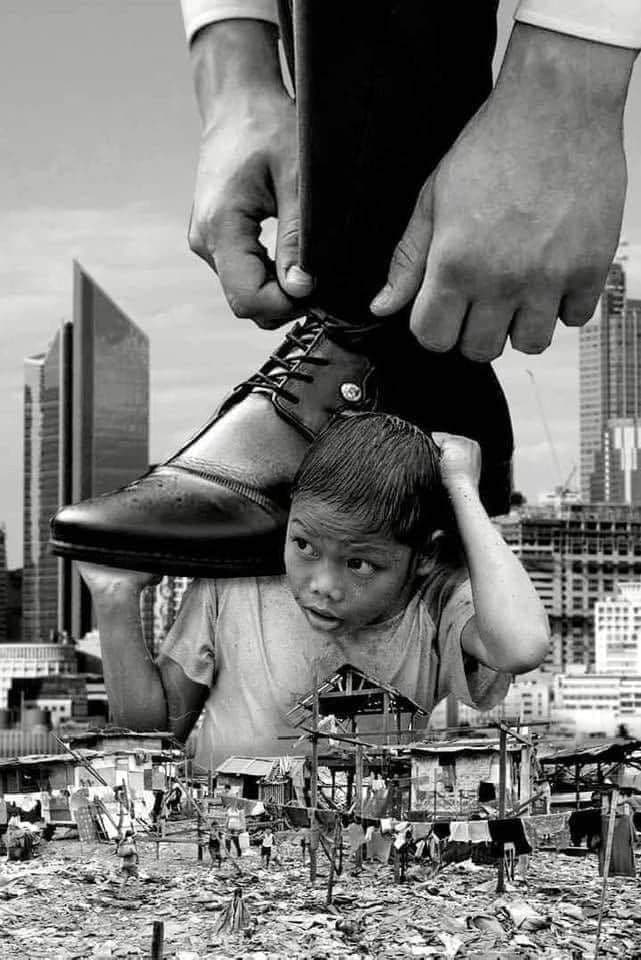
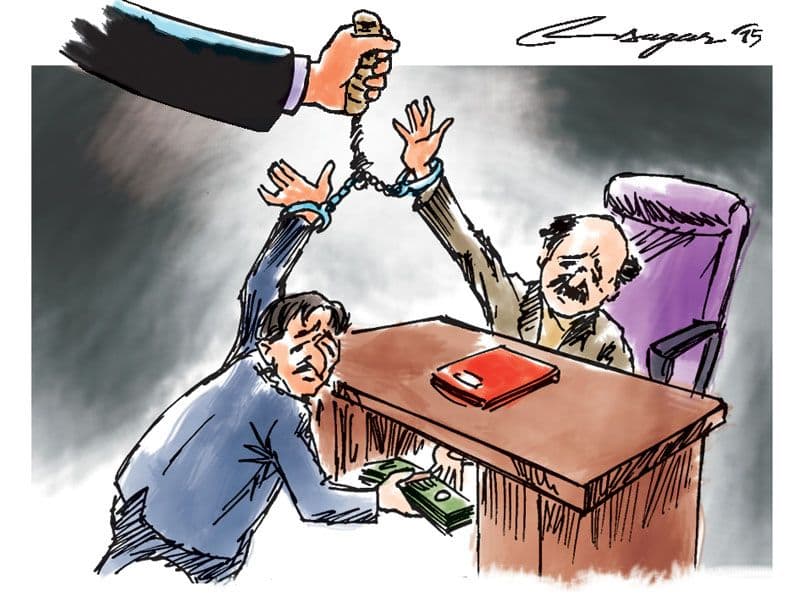
One of the strongest reasons communities shield criminals is a lack of trust in law enforcement or government institutions.
In areas where people have experienced:
Your brand here. Reach a focused African audience.
Partner with Anttention Media Africa across high-trust business and tech reporting.
Advertise with us-
corruption,
wrongful arrests,
excessive force,
or slow justice systems,
residents may believe authorities cannot deliver fair outcomes. Reporting a suspect may feel like exposing them to injustice rather than ensuring accountability. When trust breaks down, communities sometimes choose internal protection over external intervention.
3. Economic Dependence
In economically vulnerable neighborhoods, certain individuals, even those involved in illegal activities, may provide financial support or opportunities.
For example, a person involved in criminal operations might:
-
employ local youths,
sponsor community events,
assist struggling families,
or offer informal security.
When livelihoods depend on such individuals, community members may prioritize survival over legality. Protecting them becomes tied to economic stability.
4. Fear of Retaliation
Silence is often rooted in fear rather than approval.
Witnesses may worry about:
-
violent revenge,
social exclusion,
threats against family members,
or damage to property.
In environments where protection systems are weak, speaking out can feel dangerous. Communities may collectively avoid cooperation with authorities as a survival strategy.
5. Cultural Norms and Informal Justice Systems
Some societies emphasize resolving conflicts internally rather than involving formal legal systems. Elders, religious leaders, or local mediators may handle disputes privately. In such settings, reporting someone to police may be viewed as betrayal. Community members may prefer reconciliation, compensation, or restorative solutions instead of punishment through courts.
This cultural preference can unintentionally shield individuals who commit serious crimes.
6. Stigma and Collective Identity
Communities often feel judged by outsiders. When crime occurs, residents may fear that authorities or media will label the entire neighborhood as dangerous.
To protect collective reputation, people may deny or minimize wrongdoing. Defending the accused becomes a way of resisting external stigma and preserving community pride.
7. The “Robin Hood” Effect
Sometimes criminals gain social acceptance by positioning themselves as protectors or benefactors. If an individual redistributes money, helps vulnerable residents, or stands against perceived unfair systems, some community members may view them as heroes rather than offenders.
This moral ambiguity blurs the line between crime and social justice in the eyes of supporters.
8. Lack of Alternatives and Social Services
Where education, employment, and social programs are limited, crime can become intertwined with everyday survival. Communities may see punishment alone as ineffective because underlying problems remain unsolved.
Instead of removing individuals, residents may prioritize stability and familiarity, even when it involves protecting someone accused of wrongdoing.
9. Psychological Denial and Cognitive Dissonance
Accepting that someone familiar committed a serious crime can be emotionally painful. To reduce this discomfort, people may reject evidence or rationalize behavior.
Common reactions include:
-
“He would never do that.”
“There must be a misunderstanding.”
“The system is targeting him.”
This psychological defense mechanism allows individuals to preserve their worldview and emotional comfort.
10. When Protection Becomes Harmful
While community solidarity can be positive, protecting criminals often creates long-term harm. It can:
-
weaken justice systems,
allow repeated offenses,
endanger victims,
and reinforce cycles of violence.
True community safety depends on balancing loyalty with accountability. When wrongdoing goes unchallenged, trust within the community itself eventually erodes.
Conclusion
Communities rarely protect criminals simply because they support crime. More often, their actions arise from loyalty, fear, economic realities, distrust of institutions, and cultural traditions. Addressing crime effectively therefore requires more than arrests. Governments and policymakers must build trust, strengthen social services, ensure fair justice systems, and create economic opportunities. When communities feel protected and respected, they are far more likely to cooperate with law enforcement and support accountability.
Ultimately, safer societies emerge not just from stronger laws, but from stronger relationships between communities and the systems meant to serve them.




Comments (0)
No comments yet. Be the first to share your perspective!